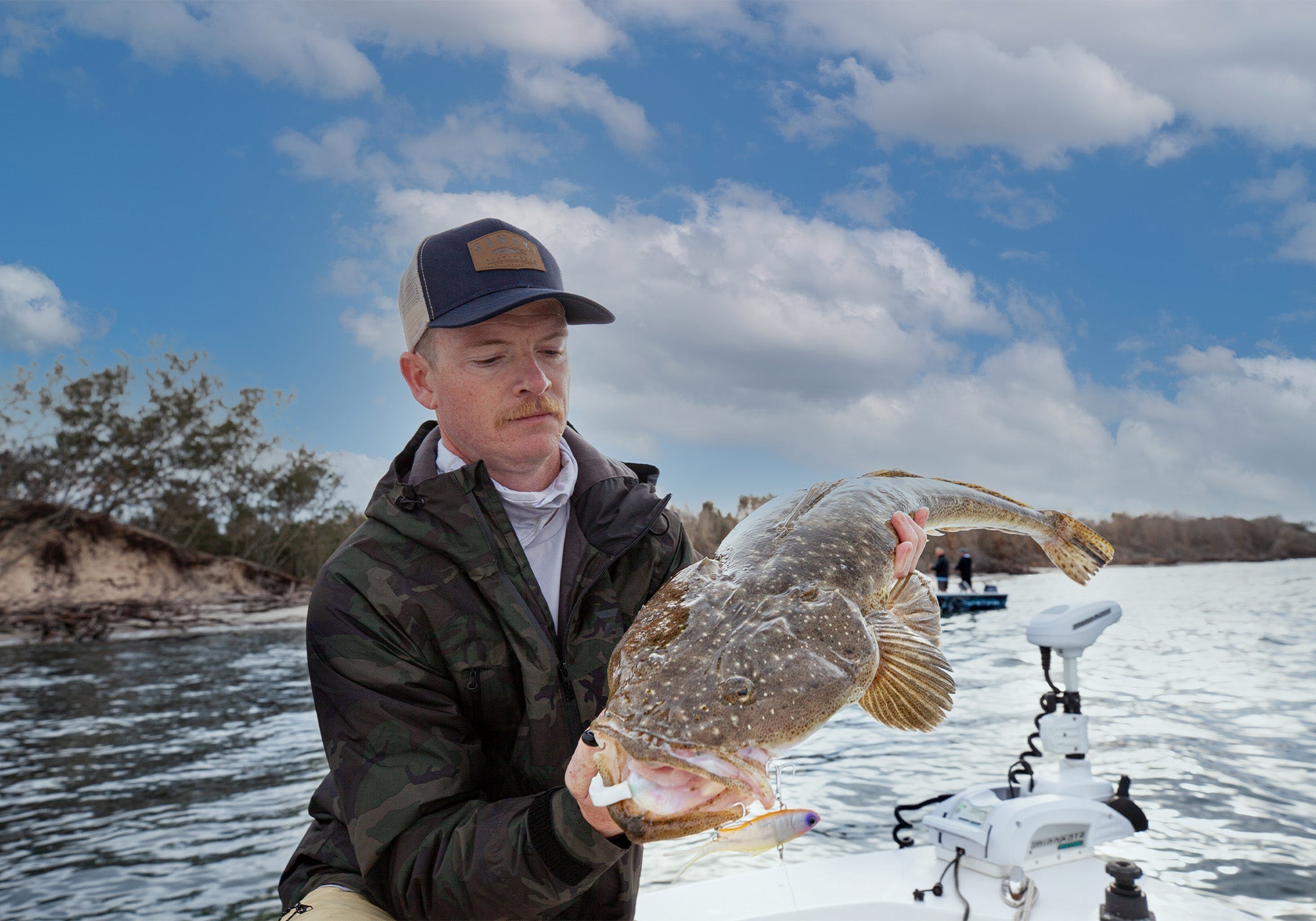

Land-based estuary fishing is one of the simplest, most accessible, and rewarding ways to target a range of species along Australia’s east coast. Whether you’re in New South Wales, Victoria, or southern Queensland, this style of fishing is low-cost, highly effective, and most importantly, built around mobility.
If you’re willing to move, adapt, and read the water, you’ll find fish.
Why Fish “On the Front Foot”?
This style of fishing is all about staying light and covering ground. You’re not anchored to one spot, you’re actively searching for fish.
Walking the banks of estuaries allows you to:
- Explore multiple types of water in one session
- Adjust your approach as conditions change
- Find active fish instead of waiting for them
It’s a simple concept: keep moving, keep casting, and keep adapting.

Where to Fish
Estuary systems offer a variety of terrain, and each holds fish in different ways. As you move, you’ll encounter a mix of shallow and deep zones, each requiring a slightly different approach.
Shallow Edges & Flats
These are classic starting points, sandy or weedy edges and expansive flats.
- Typically 0.5-1 metre deep
- Best fished on a rising tide
- Fish move up to feed on bait, nippers, and small crustaceans
Look for:
- Broken weed patches
- Subtle drop-offs
- Nearby deeper channels (key for holding fish between feeding periods)
Target species include whiting, bream, and flathead.
Deeper Structure
As you move, you’ll often come across structure that holds fish in deeper water:
Jetties
- Offer access to 2-4 metres of water
- Don’t ignore the pylons, this is where bait and predators gather
- Fish the structure first, then the deeper water beyond
Bridges
- High current zones with strong feeding opportunities
- Fish will hold:
- On the front edge (clean water, waiting for food)
- Behind pylons (out of the current)
- In eddies (where bait collects)
Rock Walls & Points
- Provide depth, current, and structure
- Fish patrol where rock meets sand
- Work both sides of a point, current-facing and sheltered sides both hold fish
These areas can produce flathead, bream, jewfish (mulloway), and pelagics like tailor and salmon depending on the system you’re fishing.

Timing Matters
Fishing shallow water means fish are more cautious, so timing is critical.
Best Conditions
- Low light: early morning, late afternoon, evening
- Tide changes: always a prime window
Tidal Strategy
-
Rising tide (flats & edges)
Fish push up into shallow water to feed -
Falling tide (deeper water)
Fish drop back and wait for food to be washed to them
Combine low light with a tide change, and you’ve got prime conditions.
Each system is different. Dialling into the waterway you’re fishing is all part of the challenge.

Lure Selection & Techniques
As you move through different terrain, your lure choice needs to change with it.
Shallow Water (Edges & Flats)
Keep it subtle and weed-free:
-
Topwater lures (walk-the-dog, poppers)
- Ideal in the warmer months
- Great for whiting, bream, and flathead
-
Shallow cranks & jerkbaits
- Slow roll through 1m or less
-
Lightly weighted plastics
- Best over sand or light weed so they don’t get caught in the weed
Topwater is a standout here. It avoids snagging and draws explosive strikes. Shallow cranks and jerkbaits are a good option when topwater isn’t producing.
Deeper Water (Structure & Channels)
Now it’s time to get down in the water column:
- Deep diving crankbaits
- Jerkbaits
- Soft plastics (weighted)
- Soft vibes (excellent for casting distance and depth)
Focus on working closer to the bottom where most fish are holding.
Stay Mobile
Mobility is everything.
You might start on a shallow edge, move onto a flat, hit a point, then come across a jetty, all in one session. Each area requires a different approach, so being able to adapt quickly is key.
Work an area thoroughly, then move on. The more ground you cover, the more likely you are to find active fish.
Light Tackle Setup
This should take care of most species encountered in skinny water. Keep it simple and versatile:
- Rod: 7’-7’6” (2-4kg)
- Reel: 2000 size
- Line: 6-10lb braid
- Leader: 4-12lb (adjust for structure and target species)
A longer rod helps with casting distance, which is critical when land-based.

Medium Tackle Setup
If your waterway offers more depth and structure like bridges and rock walls, you may need to step it up. Again, keep it simple and versatile:
- Rod: 7’-7’6” (3-6kg to 4-7kg)
- Reel: 3000 size
- Line: 8-12lb braid
- Leader: 8-20lb (adjust for structure and target species)
A heavier rod also allows for larger lures. Even on the flats, if flathead are the primary target, a heavier setup will let you cast larger lures.
What to Carry
Less is more. A small backpack with essentials:
- Compact tackle box with:
- Topwater lures
- Shallow & deep cranks
- Soft plastics & jigheads
- A couple of soft vibes
- Spare leader (light and heavier options)
- Pliers and braid scissors
- Lip grips for landing fish
- Water
Keep it light so you can move freely.
Final Thoughts
Fishing estuaries on foot is one of the most rewarding ways to fish. It’s active, engaging, and puts you in control of the outcome.
Stay mobile, read the water, adjust your approach, and most importantly, enjoy the process.
Get out there and experience it for yourself.