
How to Catch More Mulloway on Samaki Vibelicious Soft Vibes
When it comes to targeting jewfish in Australia’s estuaries and coastal lakes, few techniques have stood the test of time like soft vibe fishing.
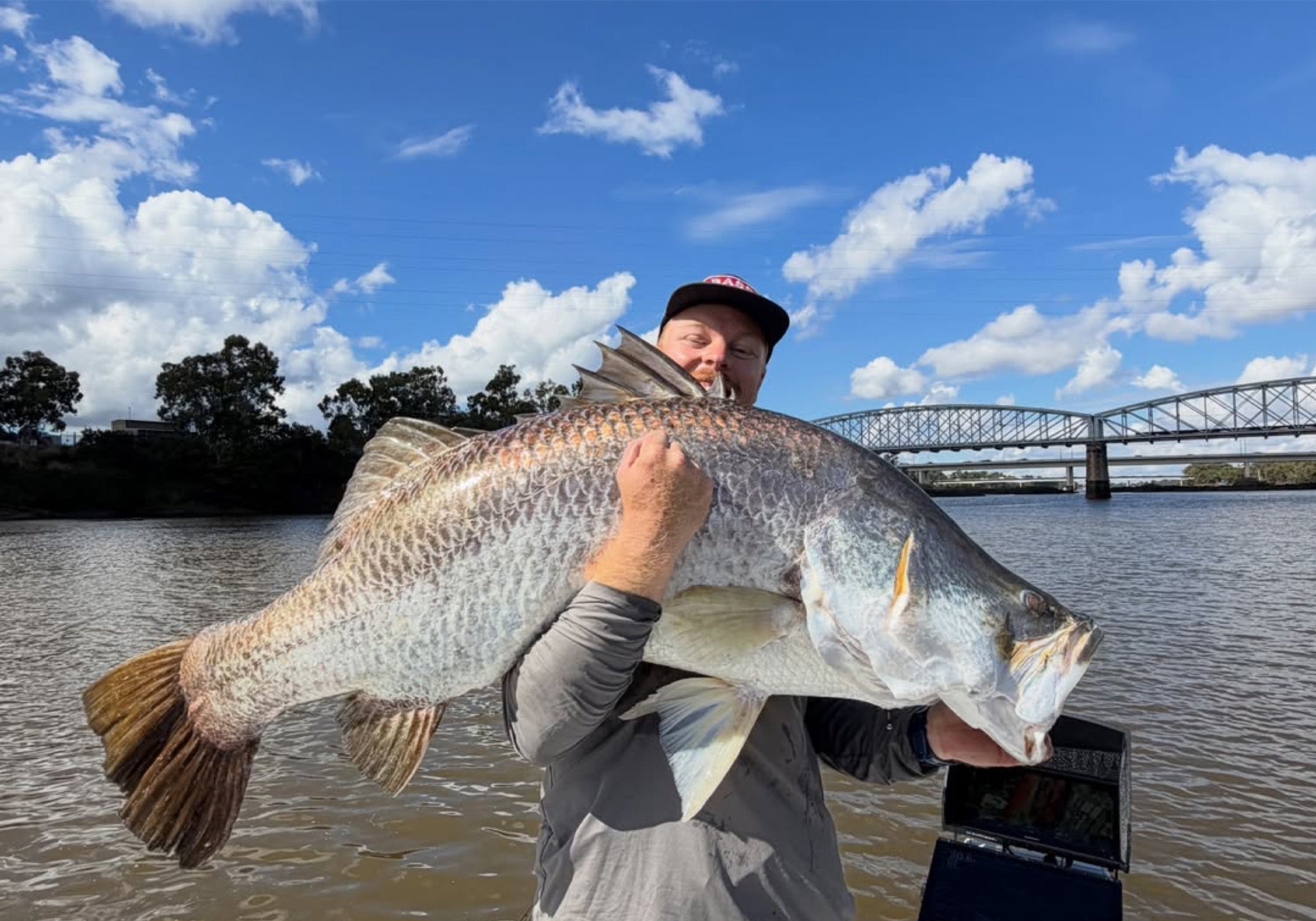
Few anglers have spent as much time refining the craft as Lake Macquarie local and jewfish specialist Dan Guilfoyle.
From the early days of soft plastic fishing through to the rise of modern soft vibes, Dan has seen the evolution of mulloway fishing firsthand. Over years of trial, error and countless sessions on the water, one thing has become crystal clear.
Soft vibes consistently put jewfish in the boat.
In this guide, Dan breaks down everything from timing and tides to retrieve technique, lure selection and tackle setup, with a focus on fishing the Samaki Vibelicious range.
Why Soft Vibes Work So Well on Jewfish
Dan first started seriously targeting jewfish around 2007, but it wasn’t until the early 2010s that soft vibes truly changed the game.
“When I switched from traditional soft plastics to vibes, it blew my mind how effective they were. The fish just hadn’t seen anything like it at the time.”
The original Samaki Vibelicious 100mm quickly became a standout lure in systems like Lake Macquarie, and since then the range has expanded to include multiple sizes and weights to suit different depths and conditions.
According to Dan, the key is vibration and sink control.
Jewfish rely heavily on their lateral line to track bait and detect movement. The strong body vibration of the Vibelicious Fork Tail sends out plenty of underwater presence, while the lure’s controlled sink rate keeps it in the strike zone longer.
One of the biggest takeaways?
A huge percentage of bites happen on the drop.
Keeping slight tension in the line as the lure sinks allows the vibe to swim naturally rather than spiralling unnaturally to the bottom. It also means you’ll actually feel those subtle bites on the descent.
Best Time to Target Jewfish on Soft Vibes
Seasonal Patterns
Lake Macquarie is an all-year-round fishery for jewfish, but certain periods consistently produce better quality fish.
Dan’s favourite months for larger mulloway are June and July.
“During the warmer months you’ll generally catch better numbers, but the bigger fish tend to show up in winter.”
While summer often produces fish in the 60-80cm range, winter regularly delivers larger models over the metre mark.
Another interesting seasonal trend is depth.
During summer, jewfish are commonly found holding deeper in 8-10 metres of water. In winter, however, they’ll often move surprisingly shallow.
“Some of my best winter spots are only four or five metres deep.”

Moon Phases and Tides for Jewfish
If there’s one factor Dan pays the most attention to, it’s the moon phase.
The New Moon Advantage
According to years of logged sessions and sounder marks, the new moon period consistently produces the best jewfish fishing.
“When I think back to all the crazy sessions with good numbers or really big fish, 90 percent of them were around the new moon.”
The reason largely comes down to bait movement.
Prawns become more active around the new moon, which kicks off a chain reaction through the food web:
- Prawns move
- Squid begin feeding
- Tailor and baitfish become active
- Jewfish follow the food
Dan considers the days leading into the new moon and the few days immediately after to be prime time.
Understanding Tide Direction
One of the most valuable lessons Dan has learned over the years is that there is no universal “best tide” for jewfish.
Instead, every spot fishes differently depending on how current interacts with the structure.
Dan has spent years marking fish catches on his sounder and recording whether they were caught on a run-in or run-out tide.
The result?
Clear patterns.
Some locations consistently fire only on the run-out tide, while others fish best on the push.
“If you’re not recording the tide direction when you catch fish, you’re missing half the information.”
The key is understanding how water flow creates ambush points around structure like:
- Wrecks
- Drop-offs
- Humps
- Gutter systems
- Rock walls
- Reef edges
When current hits structure from the right angle, it creates back eddies and feeding opportunities where jewfish can sit comfortably and ambush bait.
Where to Find Jewfish on Soft Vibes
Dan generally breaks jewfish locations into two categories:
- Structure fishing
- Open water bait fishing
Fishing Structure
On calm days with clear water, jewfish often hold tight to structure.
This includes:
- Artificial reefs
- Wrecks
- Drop-offs
- Humps
- Deep edges
- Bridge structure
These conditions are ideal for precision fishing.
Calm weather makes it easier to scan structure with side scan or LiveScope and position casts accurately.
“When the fish are less aggressive, accuracy becomes everything.”
Casts tight to structure and slow, controlled retrieves are the key.
Fishing Bait Schools
When conditions become windier and there’s more movement or colour in the water, jewfish tend to leave structure and feed more aggressively around bait schools.
This is where Dan focuses on:
- Active tailor schools
- Open bays
- Bait concentrations
- Wind-blown areas
- Current lines
“A bit of wind isn’t a bad thing. Those fish become much more comfortable moving around and feeding aggressively.”
Rather than making pinpoint casts, this style involves long drifts through productive water while searching for bait activity on the sounder.

The Best Retrieve for Jewfish on Soft Vibes
After years of experimentation, Dan keeps his retrieve surprisingly simple.
Step 1: Engage the Reel Immediately
As soon as the lure lands, engage the reel so the vibe sinks under slight tension.
This is critical.
An uncontrolled freefall often causes the lure to spiral unnaturally, while light tension allows the vibe to swim naturally and pulse on the descent.
It also dramatically improves bite detection.
Step 2: Remove Slack
Once the lure hits bottom, give the reel a couple of quick turns to remove any bow in the line.
Step 3: Long Controlled Lift
Dan uses a slow, smooth lift from 9 o’clock to 12 o’clock in terms of rod position.
The longer lift helps draw fish from greater distances.
“Jewfish can be sitting metres off the bottom feeding. If your lifts are too small, the lure never gets into their line of sight.”
The lift should be just fast enough to feel the vibration through the rod tip.
Too aggressive and the lure will blow out sideways.
Step 4: Controlled Sink
After the lift, allow the lure to sink back under controlled tension while staying in contact with it the entire time.
Then repeat.
Simple. Effective. Proven.
Boat Positioning and Drift Strategy
Boat positioning changes depending on whether you’re fishing rivers or large lake systems.
River Systems
In major tidal rivers like the Hawkesbury or Hunter River, current dominates.
Fish position themselves facing into the current, so your lure should move naturally back toward them swimming with the flow.
Dan recommends:
- Keeping the boat nose into the current
- Using the electric motor for boat control
- Casting up-current
- Working the lure back with the flow
Lake Macquarie
Lake Macquarie behaves differently because wind often has more influence on boat drift than current.
Here, Dan prefers to:
- Drift with the wind
- Cast with the wind behind him
- Let the lure work naturally back toward the boat
The ideal setup is when wind direction and tide direction complement each other.
Choosing the Right Samaki Vibelicious Size
One of Dan’s biggest tips is not to choose lure size based on the size of jewfish you want to catch.
Instead, choose based on:
- Water depth
- Wind strength
- Current flow
- Sink rate requirements
“You’ll catch just as many quality jewfish on the smaller vibes.”
70mm Vibelicious
Best for:
- Shallow water
- Calm conditions
- Prospecting new areas
- Depths around 5 metres and under
The 70mm is Dan’s go-to search bait and often the lure he starts the day with.
85mm Vibelicious
Best for:
- Mid-depth applications
- Versatile fishing situations
- Humps and changing depth contours
- Water around 4-9 metres
This is the all-rounder.
100mm Vibelicious
Best for:
- Deeper water
- Stronger current
- Windy conditions
- Depths around 8-10 metres
The heavier profile helps maintain bottom contact when conditions get tougher.
125mm Vibelicious
Reserved for:
- Heavy wind
- Strong drift
- Deep water situations
When the weather gets rough, heavier vibes become essential for staying in the strike zone.

Best Colours for Jewfish
Dan keeps colour selection fairly straightforward.
Natural baitfish colours dominate most sessions.
His favourites include:
- Ghost Shad
- White Bait
- Hardy Head
- UV Mullet
- UV natural colours
These imitate the primary forage species found in systems like Lake Macquarie.
In low light or dirtier water, darker and more contrast-heavy colours can shine.
Standout options include:
- Motor Oil
- Golden Carrot
Dan Guilfoyle’s Jewfish Tackle Setup
70mm Vibelicious Setup
- Rod: Samaki C-12 7’0” 4-8lb
- Reel: 2500 size spin reel
- Braid: PE 0.8 X-Braid Upgrade
- Leader: 12lb X-Braid Olltolos FC
Perfect for lighter vibes and shallow water applications.
85mm Vibelicious Setup
- Rod: Samaki C-12 7’4” 5-10lb
- Reel: 2500 size spin reel
- Braid: PE 1.0 X-Braid Upgrade
- Leader: 14-16lb X-Braid Olltolos FC
A versatile setup that covers most conditions.
100mm Vibelicious Setup
- Rod: Samaki C-12 7’4” 3-6kg
- Reel: 3000 size spin reel
- Braid: PE 1.2 X-Braid Upgrade
- Leader: 14-16lb X-Braid Olltolos FC
Ideal for deeper water and heavier vibes.
Dan also points out that lighter braid allows:
- Longer casts
- Better lure control
- More natural presentation
In systems like Lake Macquarie, there’s rarely a need to fish excessively heavy tackle.
Does Scent Make a Difference?
Absolutely.
Dan regularly uses scent on his vibes, particularly crab-based formulas.
While scent can sometimes be difficult to measure in open water fishing, modern sonar technology has shown him just how effective it can be.
“I’ve watched fish stop reacting to an unscented lure, added scent, and suddenly they’re climbing all over it again.”
Adding scent can be the difference between fish following and fish committing.
Top Tips for Catching Jewfish on Soft Vibes
If Dan had to narrow it down to a few key takeaways, they would be:
1. Stay in Contact with the Lure
Never allow the lure to sink completely slack.
Controlled tension means better lure action and better hook-up rates.
2. Match Lure Size to Conditions
Fish shallow? Go lighter.
Fish deep or windy conditions? Go heavier.
Don’t automatically upsize just because you’re chasing big jewfish.
3. Focus on the New Moon
The days surrounding the new moon consistently produce the best jewfish fishing.
4. Record Your Tide Information
Understanding how specific spots fish on different tides is one of the fastest ways to improve your consistency.
5. Long, Controlled Lifts Catch More Fish
Big jewfish often feed well off the bottom.
Long lifts help your vibe enter their strike zone.

Final Thoughts
Soft vibe fishing for jewfish is one of the most addictive and rewarding styles of estuary fishing in Australia.
With the right timing, conditions and technique, the Samaki Vibelicious range offers an incredibly effective way to target mulloway in lakes, rivers and estuaries.
Whether you’re prospecting shallow winter flats, drifting bait schools in open bays or probing deep structure, understanding how depth, current and lure control all work together will dramatically improve your success.
As Dan Guilfoyle proves, sometimes the simplest techniques, done consistently and with confidence, are still the most effective.
So next time the new moon lines up, the tide starts moving and the bait begins to fire, tie on a Samaki Vibelicious and start hopping.
The next bite could be the jewfish you’ve been chasing.